Image: @MIKE2SWIM

Three Key Freestyle Drills
These drills can improve your feel for the water
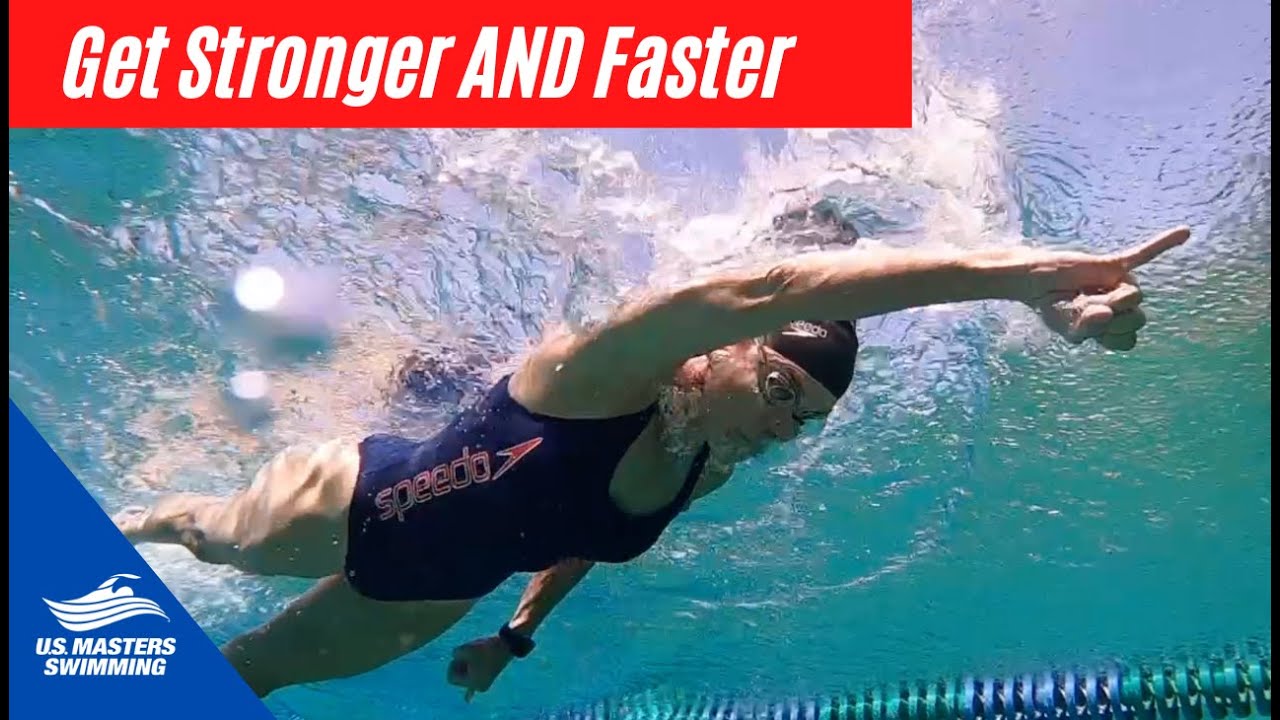
If you’re looking to improve the amount of power you get from your freestyle pull, you need to try these three drills. The purpose of them is to gain an improved feel for the water. To do that, you must first take away your feel for the water and then put it back incrementally.
Drill 1: Closed Fist
In this first drill, you’re simply going to be swimming with your fists closed. Instead of using the whole of your palm and relaxed fingers to get as much surface area as possible to pull with, you’re going to ball your hands up into fists and swim that way. You’re going to have to rely on the surface area of your forearm primarily to create propulsion from your pull.
This will feel weird and like you’re hardly making any progress—sort of like trying to climb a hill on your bike in the wrong gear. But swimming with closed fists will help you gain an appreciation for how important a larger surface area is to propelling you forward; when you reopen your hands, you’ll feel how powerful you are. You’ll feel the water pressure on the forearm and the palm and fingers.
Drill 2: Pinky Out
In this next drill, you’ll regain a tiny bit of surface area by swimming with closed fists except for keeping your pinkies sticking out. You’ll get a little more feel for the water with this extra digit, but you’ll still have to work hard to make forward progress.
This is a great drill to do right after the closed-fist drill, because it’s a nice next step in the progression toward using your whole hand.
Drill 3: OK Drill
In this drill, swim with your index finger and thumb in the OK sign, with the tip of the thumb connected to the tip of the index finger. The other fingers should be straight and together.
This means you’ll have your middle, ring, and pinky fingers to pull with, so you’ll have more surface area, but still not your whole hand. You’ll feel that larger surface area and you’ll start feeling more powerful with this arrangement, but you’ll still be slower than when you’re swimming with your whole hand.
Use this progression frequently to help improve strength while playing with your feel for the water.
Training with a USMS club and working with a coach can help you continue to improve your technique.